
How I Can Help
When learning isn’t working, let’s find out why.
From foundational learning skills to academic independence.
MindBalance Learning provides individualized instruction and academic coaching for students from elementary school through college. The work looks different at different ages, but the goal remains the same: build the skills students need to become increasingly capable, effective, and independent learners.
Reading, Math, & Learning Foundations
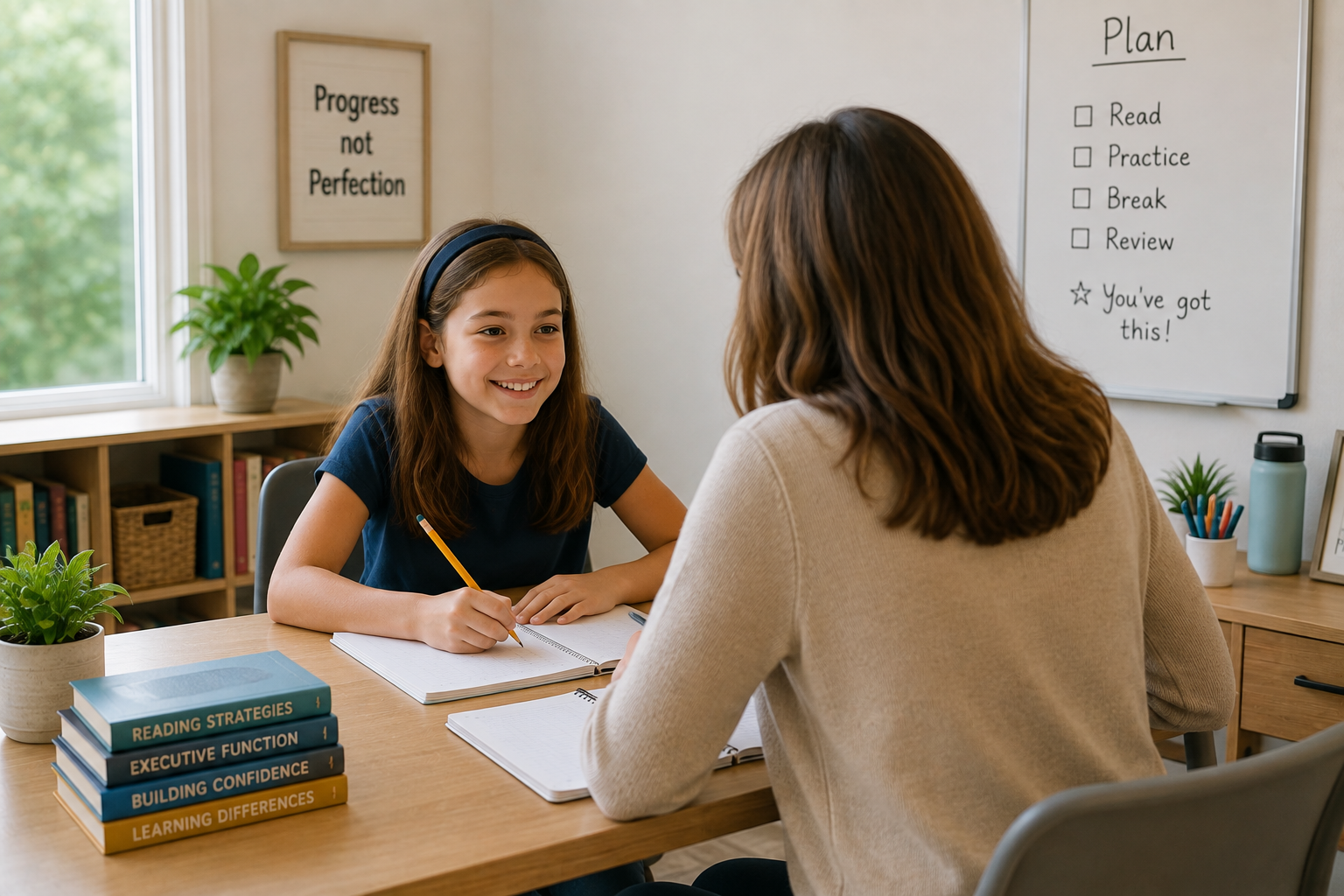
When your child is trying, but reading, spelling, writing, or math still isn't clicking, more practice isn't always the answer.
I look closely at the errors your child makes and how s/he approaches the work to identify where the learning process is breaking down. Then we build the specific skills that are missing—systematically, but at a pace shaped by what your child is ready to learn next.
As students experience meaningful success, confidence grows—and so does their willingness to tackle new challenges.
Reading Foundations
Phonological awareness
Orthographic mapping
Decoding
High-frequency word recognition
Oral reading fluency
Language & Literacy
Reading comprehension
Writing
Spelling
Grammar
Mathematics
Math concepts
Math computation

Academic Coaching
Many capable students have never been taught how to learn effectively.
Academic coaching moves beyond completing tonight's assignment. Students learn how to keep track of their work, plan their time, take useful notes, study for remembering rather than simply reviewing, prepare for exams, organize their writing, and tackle complex material more independently.
Areas may include:
Reading comprehension
Note-taking
Studying more effectively
Writing and organizing ideas
Preparing for exams
Research strategies
Learning how to ask better questions
Approaching complex material with confidence
The goal is not to manage school for students, but for them to learn to manage it for themselves
Academic & Learning Assessment
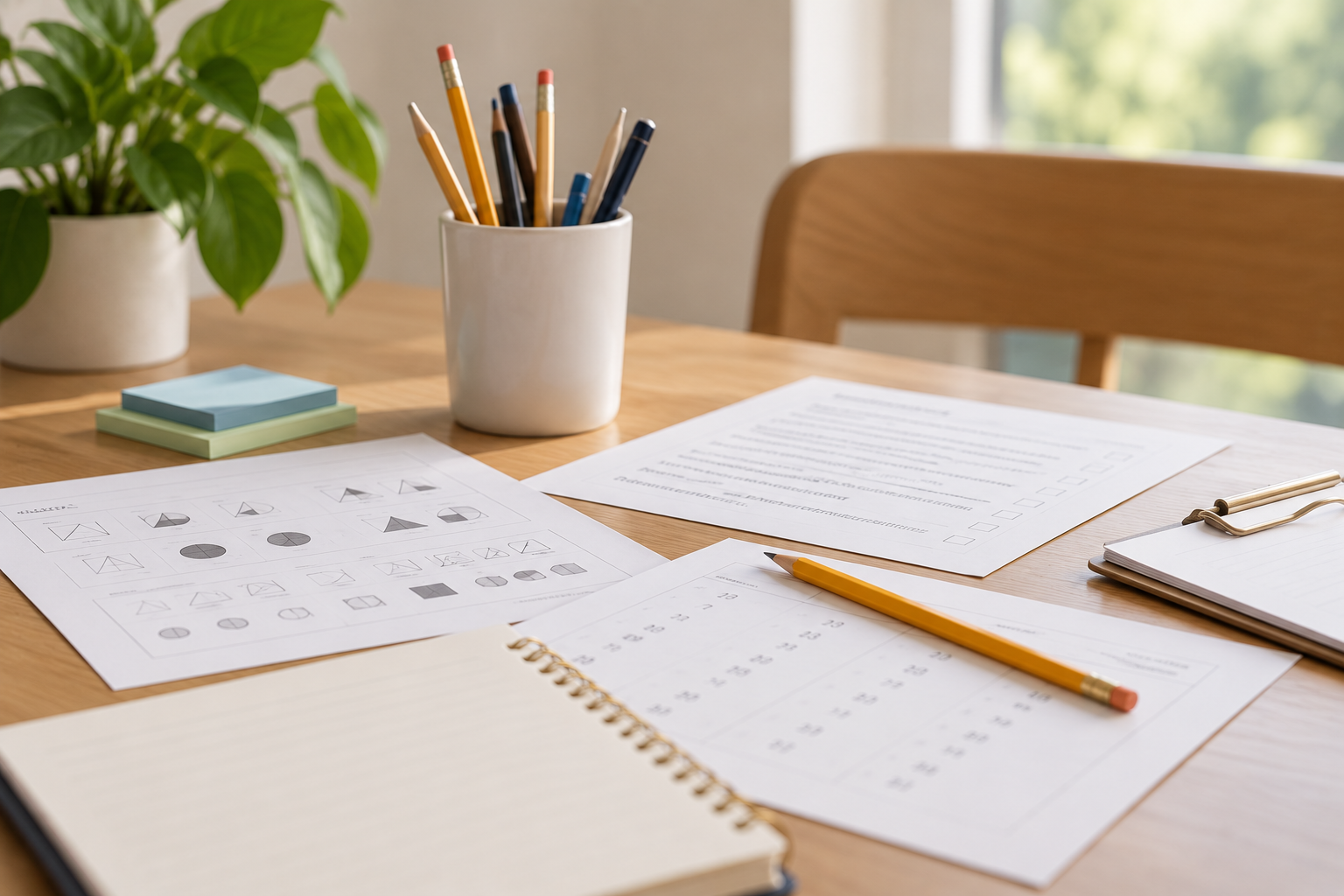
Sometimes families want a clearer picture of a student's academic strengths and weaknesses without pursuing a comprehensive neuropsychological evaluation. Individualized assessment can provide objective information about current skills, identify patterns of strength and difficulty, and show how a student's performance compares with that of same-age or same-grade peers.
Depending on the questions we're trying to answer, assessment may focus specifically on academic achievement or look more broadly at the skills and processes that contribute to learning.
Assessment may include:
Standardized testing selected according to the referral questions
Analysis of academic strengths and weaknesses
Comparison with age- or grade-level peers, when appropriate
Written report and interpretation of results
Follow-up consultation with parents
Recommendations for instruction, intervention, accommodations, or next steps, as appropriate
Scores are just part of a student’s story. It's necessary to understand what those scores tell us—and what to do with that information.

Learning Independence
Learning how to figure out what works—and what to do when it doesn't.
Students don't just need strategies. They need to understand themselves as learners.
I teach students to notice their own patterns: what helps them learn, where they tend to get stuck, what they do when something becomes difficult, and whether the strategy they're using is actually working. Over time, students become increasingly able to make those discoveries—and adjustments—for themselves.
Our work may include:
Recognizing and changing unproductive learning habits
Developing greater self-awareness
Problem-solving when something isn't working
Asking better questions
Communicating and advocating for what is needed
Persisting through challenging work
Making more thoughtful decisions about learning
Confidence grows through competence. As students develop effective strategies and experience meaningful success, they begin to trust their own ability to handle increasingly difficult work.
MindBalance Learning is a good fit for:
Elementary & Middle School Students who…
Are struggling with reading, spelling, writing, math, or other foundational academic skills.
Have diagnosed or suspected learning differences such as dyslexia.
Have received an assessment, but the family isn't sure what the results mean or what should happen next.
Need individualized instruction that responds to what the student is actually doing—not simply more practice.
Is MindBalance Right for Your Student?
High School & College Students who…
Are capable of doing the work but aren't consistently getting it done.
Lose track of assignments, procrastinate, or struggle to manage increasingly complex workloads.
Spend significant time studying without getting the results they expect.
Need practical systems for planning, organization, studying, note-taking, writing, or time management.
Are ready to take greater responsibility for their own learning.
Whether you're seeking support for yourself or your student, I'd be happy to learn more about your goals, answer your questions, and explore whether MindBalance Learning is the right fit.